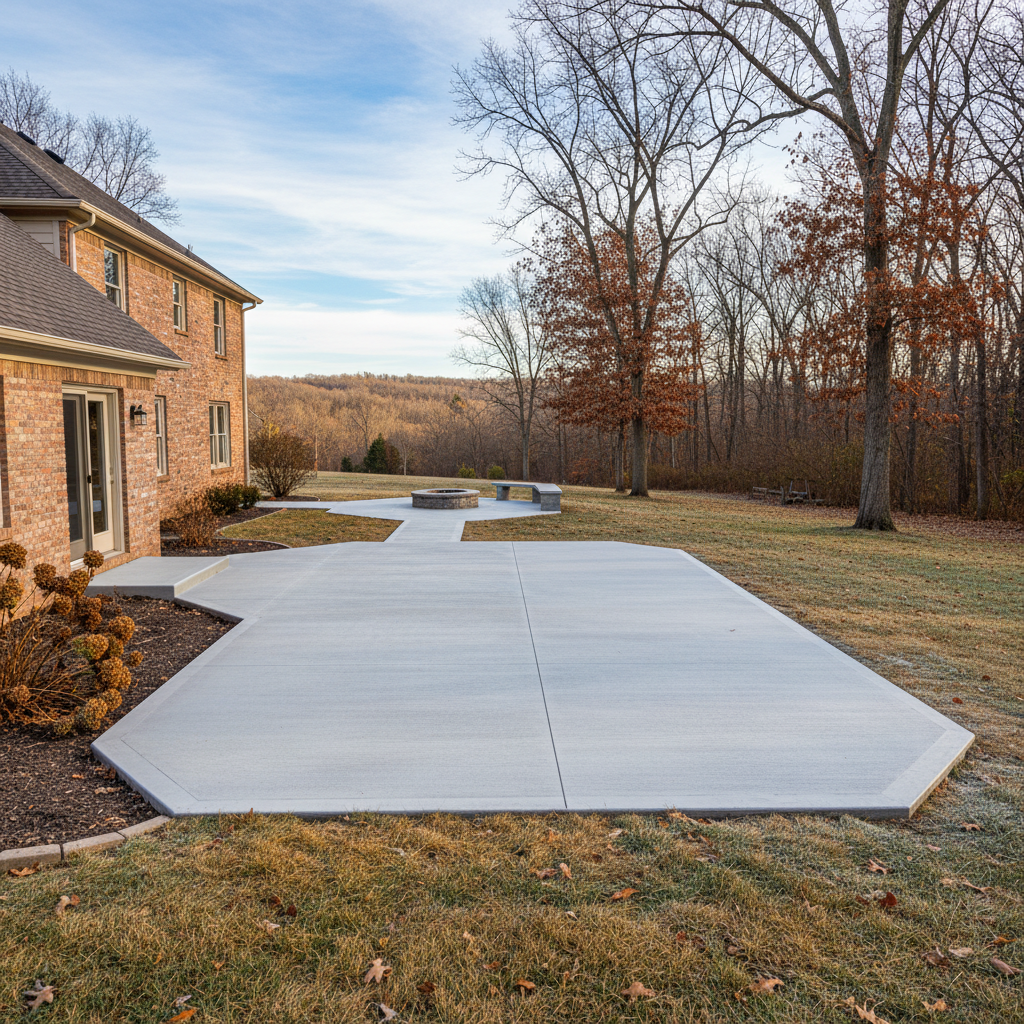
When's the best time to pour concrete around here? That's a question I get a lot, and honestly, it's a really good one. You see, concrete isn't just concrete; it's a living, breathing material that reacts to its surroundings, especially the weather. And let's be real, Muncie's weather can be quite the character, can't it?
Picking the Right Season for Your Pour
For most concrete jobs, you're usually looking at spring, summer, and fall. Each season has its good points and its bad points, but generally, we're aiming for conditions that let the concrete cure properly without getting too hot, too cold, or too wet. That sweet spot is usually when temperatures stay consistently above freezing and below, say, 85-90 degrees Fahrenheit.
- Spring (Late April to Early June): This is often ideal. The ground has thawed out, and you usually get moderate temperatures day and night. The biggest challenge? Those sudden spring showers. We've got to watch the forecast like a hawk. If it's too wet, the ground can get waterlogged, which isn't good for the sub-base. And rain on fresh concrete? That can really mess with the finish and the strength.
- Summer (Mid-June to August): You get long days, which is fantastic for getting work done. But the heat can be a real factor. High temperatures make concrete set faster, meaning we have less time to work it and get that perfect finish. It also increases the risk of cracking if it dries out too quickly. We'll often use special admixtures or cure it more aggressively to fight this. Oh, and those pop-up thunderstorms? They're a pain.
- Fall (September to Early November): Another excellent window. The ground is typically dry, and temperatures are cooling down but still warm enough for good curing. We're always keeping an eye out for those first overnight freezes, especially as we get closer to November. You definitely don't want fresh concrete to freeze before it's gained enough strength.
- Winter (Late November to March): Generally, I'd say avoid it if you can. Pouring concrete in freezing temperatures is a whole different ball game. You need special heated blankets, accelerators, and a lot more precautions to prevent the concrete from freezing before it's cured. It adds significant cost and complexity, and frankly, unless it's an emergency, it's just not worth the risk for most residential projects around here. We've seen too many issues with concrete poured in the dead of winter in areas like the Old West End, where folks are trying to get things done last minute.
Weather Conditions That Really Matter
It's not just the temperature outside; there are a few other things we're always checking before we even think about bringing in the truck:
- Temperature: Like I said, 40-85°F is the sweet spot. Below 40°, it cures too slow; above 90°, it cures too fast and can crack.
- Humidity: Low humidity combined with high temperatures can cause rapid drying and shrinkage cracks. High humidity can slow down drying, which isn't always bad, but it can delay finishing.
- Wind: A strong breeze, especially on a hot day, can dry out the surface of the concrete too quickly. This leads to what we call plastic shrinkage cracks. We'll often put up windbreaks if needed, you know, to block the worst of it.
- Rain: This is a big one. Even a light drizzle on freshly poured concrete can pit the surface, weaken it, and wash away the cement paste. If rain's in the forecast, we'll reschedule. No point in rushing and ruining a good job, right?
Protecting Your Investment Year-Round
Once your concrete's in and cured, your job isn't quite done. You've got to take care of it, especially with our Muncie winters. Here's what I tell all my Midway Concrete Co. customers:
- Curing is Key: For the first few days, keep it moist. We'll often apply a curing compound or cover it with plastic sheeting to slow down the evaporation. This is crucial for strength and durability, really.
- Seal It: After about 30 days, once it's fully cured, apply a good quality concrete sealer. This acts like a raincoat, protecting it from moisture, stains, and especially de-icing salts. Reapply every 2-3 years.
- Be Smart with De-Icers: Avoid rock salt (sodium chloride) on new concrete, especially in its first winter. It's really harsh and can cause spalling. Use sand for traction or de-icers labeled safe for concrete, like calcium chloride or magnesium chloride, but still in moderation. Even better, shovel early and often.
- Clean Regularly: Sweep off dirt and debris. If you get spills, clean them up quickly.
- Avoid Heavy Loads Too Soon: Don't drive heavy vehicles or place extremely heavy items on new concrete for at least a week, sometimes longer, depending on the mix.
Look, getting concrete poured is an investment in your home. By understanding how our local Muncie weather plays into it and taking a few simple steps for maintenance, you'll ensure your driveway, patio, or walkway lasts for decades. If you've got questions about timing your next project, just give us a call at Midway Concrete Co. We're always happy to talk shop.